Astronomy across the Ancient World: The History of Astronomical and Astrological Observations from the Near East to Rome
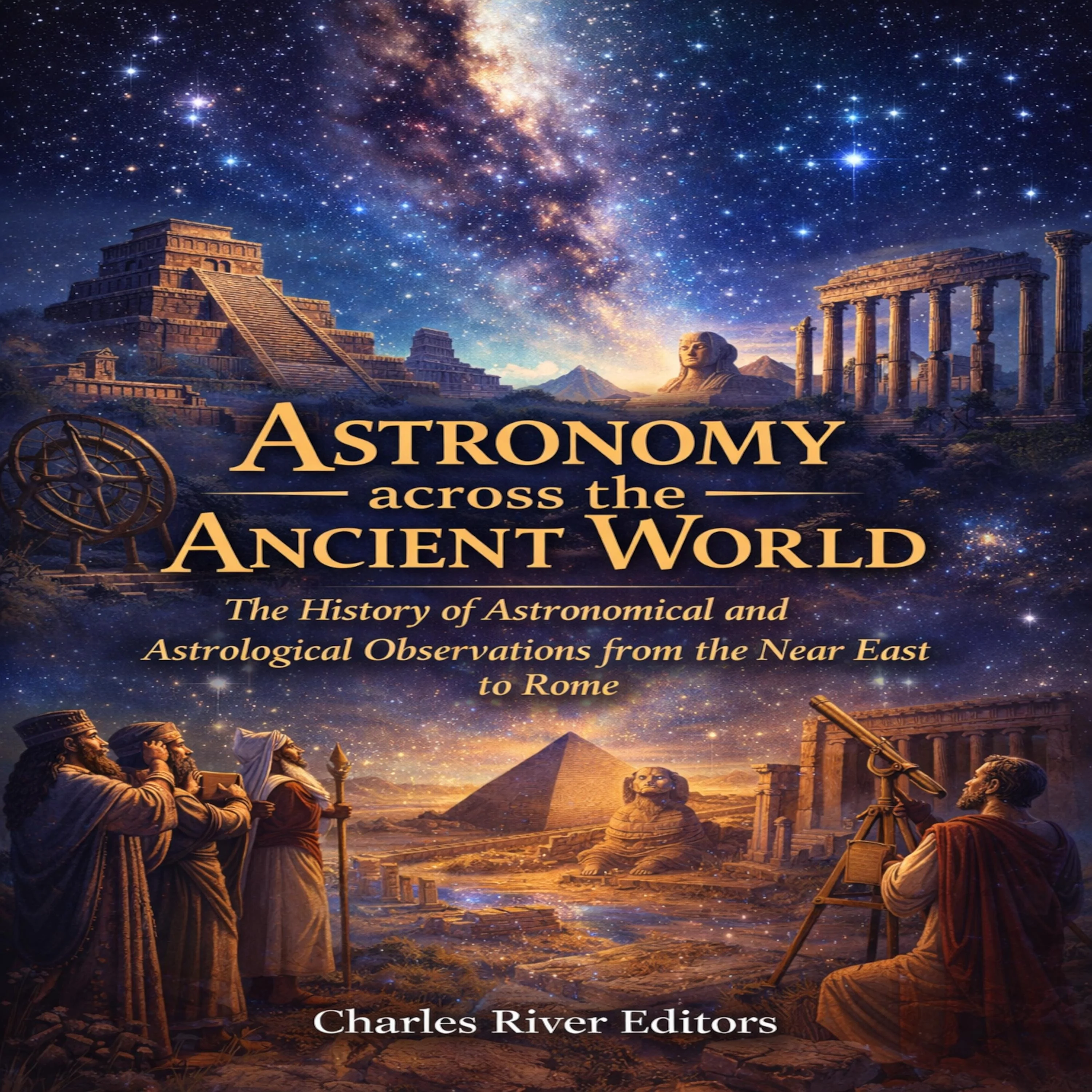
Astronomy across the Ancient World: The History of Astronomical and Astrological Observations from the Near East to Rome
Thousands of years ago, with no artificial light scattering in the atmosphere, people from various ancient civilizations gazed into the night sky with profound awe and wove the celestial patterns into their mythology while also basing their calendars on them. The stars guided navigation and agricultural timing, and many people sought meaning and patterns in the ever-moving canvas of the sky.
For the ancient Babylonians and Egyptians, sky watching served religious or practical purposes, but for the Greeks, it was also theoretical. They wanted to know why heavenly bodies moved as they did, and for that reason, the Greeks added mathematics, geometry, and philosophical reasoning to the crucial foundational data of the Sumerians, Babylonians, and Egyptians. Over hundreds of years, various Greek innovators explored the underlying mechanics of the universe, leading to the first physical models of the cosmos. Roman astronomy had practical purposes, like timekeeping, and Roman ships used the stars for navigation. The Romans oriented monuments, temples, tombs, and cities with specific constellations, and like most ancient people, the Romans believed in astrology. They thought the Sun, Moon, planets, and stars influenced human lives and earthly events, and most Romans viewed astrology as a natural extension of astronomy.
Original: $8.99
-65%$8.99
$3.15Product Information
Product Information
Shipping & Returns
Shipping & Returns
Description
Thousands of years ago, with no artificial light scattering in the atmosphere, people from various ancient civilizations gazed into the night sky with profound awe and wove the celestial patterns into their mythology while also basing their calendars on them. The stars guided navigation and agricultural timing, and many people sought meaning and patterns in the ever-moving canvas of the sky.
For the ancient Babylonians and Egyptians, sky watching served religious or practical purposes, but for the Greeks, it was also theoretical. They wanted to know why heavenly bodies moved as they did, and for that reason, the Greeks added mathematics, geometry, and philosophical reasoning to the crucial foundational data of the Sumerians, Babylonians, and Egyptians. Over hundreds of years, various Greek innovators explored the underlying mechanics of the universe, leading to the first physical models of the cosmos. Roman astronomy had practical purposes, like timekeeping, and Roman ships used the stars for navigation. The Romans oriented monuments, temples, tombs, and cities with specific constellations, and like most ancient people, the Romans believed in astrology. They thought the Sun, Moon, planets, and stars influenced human lives and earthly events, and most Romans viewed astrology as a natural extension of astronomy.


